
A few years ago, building a tech startup was extremely difficult.
You needed a big team, huge investment, servers, and months of development. Because of this, only large companies were able to build software products.
But today the situation has completely changed.
Thanks to modern AI tools and cloud platforms, a single person can now build a complete SaaS product from their bedroom.
Yes, you read that correctly.
Today many developers and entrepreneurs are building AI SaaS products, launching them online, and generating lakhs and even crores in revenue.
The best part is that they are doing this using simple tools like AI coding assistants, backend platforms, cloud hosting services, and payment systems.
In this article, you will learn:
- How people are building AI SaaS startups
- Tools used by successful founders
- Why AI SaaS is the biggest opportunity right now
- How beginners can start building their own SaaS products
Why AI SaaS Is Growing So Fast
The demand for AI-powered tools is growing very fast across the world.
Companies want software that can automate work and save time.
For example, businesses now use AI tools for:
- Content writing
- Resume screening
- Marketing automation
- Coding assistance
- Customer support
- Data analysis
Because of this demand, AI SaaS startups are growing extremely fast.
Even a small AI tool that solves one problem can get thousands of users.
Many founders build simple micro-SaaS products and charge a monthly subscription.
For example:
If a tool charges ₹1000 per month and gets 1000 users, it can generate ₹10 lakh monthly revenue.
That is why many developers are now focusing on building AI SaaS products.
Modern Tools That Help Founders Build AI Startups
One reason AI startups are growing fast is because building software is easier than ever before.
Today founders use powerful tools that handle most technical work automatically.
Below are some of the popular tools used by developers.
AI Coding Assistants

AI coding tools help developers write software much faster.
These tools can:
- generate code
- fix bugs
- explain complex code
- suggest improvements
Because of AI coding assistants, developers can now build products 10x faster than before.
This is one of the biggest reasons why solo founders can launch startups quickly.
Backend Platforms
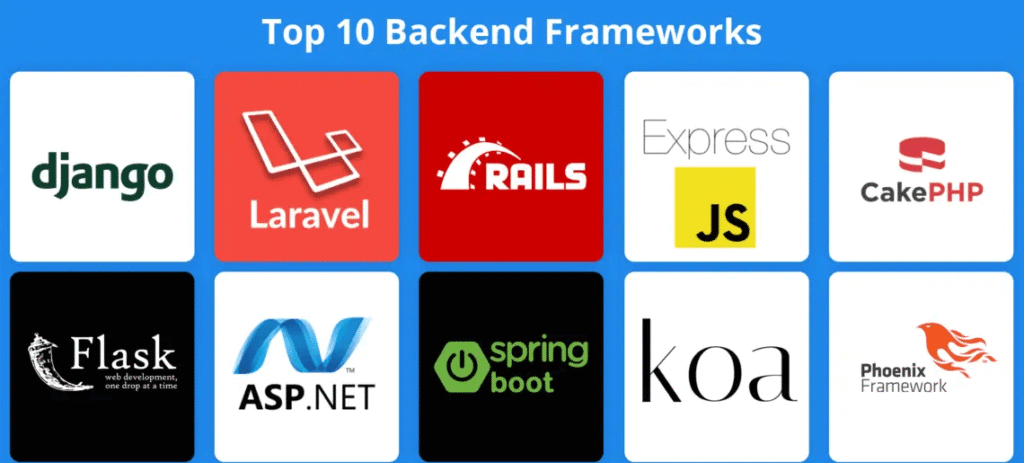
Every software product needs a backend system.
The backend handles things like:
- user accounts
- databases
- authentication
- storage
Earlier developers had to build these systems manually.
But today platforms like Supabase provide ready-made backend infrastructure.
This means developers can focus on building the product instead of managing servers.
RAG vs Fine-Tuning vs Supervised Learning: Key Differences in AI
Deployment Platforms
Once a product is built, it needs to be deployed online.
Modern platforms like Vercel allow developers to deploy applications instantly.
Benefits of using deployment platforms include:
- fast hosting
- global performance
- automatic scaling
- easy updates
Because of this, startups can launch their products in just a few minutes.
Important Tools Used by AI SaaS Startups
Apart from development tools, startups also need other services to run their business.
These include payments, version control, email systems, and analytics.
Domain and Website Setup
Every startup needs a domain name.
Platforms like Namecheap help founders buy domains and set up their websites easily.
A good domain name is important for branding and credibility.
Payment Systems
If you want to run a SaaS business, you need to collect payments from users.
Most startups use Stripe for payment processing.
Stripe allows companies to:
- accept global payments
- manage subscriptions
- generate invoices
- handle billing automatically
This is extremely useful for subscription-based SaaS businesses.
Version Control and Code Management
Developers manage their code using platforms like GitHub.
GitHub allows teams to:
- store code safely
- track changes
- collaborate with other developers
Almost every modern software project uses GitHub for version control.
Email Communication
Startups need to send emails for many reasons.
For example:
- welcome emails
- password reset emails
- product updates
- marketing messages
Services like Resend help companies send emails reliably.
Good email communication improves customer experience and engagement.
Security and Authentication Tools
Security is very important for SaaS products.
Users need safe login systems and protected data.
Many startups use Clerk for authentication.
It helps developers implement features like:
- secure login
- social login
- user account management
This saves a lot of development time.
Performance and Website Protection
Startups also need tools to manage website traffic and security.
Platforms like Cloudflare help companies protect their websites.
Cloudflare provides:
- DNS management
- security protection
- faster website loading
- DDoS protection
These features ensure that the website stays fast and secure.
Analytics and Product Tracking
Understanding user behavior is important for improving a product.
Startups use analytics tools like PostHog to track:
- user activity
- feature usage
- product engagement
This data helps founders understand what users like and what needs improvement.
Monitoring Errors in Software
No software is perfect.
Sometimes bugs and errors appear after launch.
Tools like Sentry help developers detect errors instantly.
This allows developers to fix problems quickly and maintain high product quality.
Fast Databases for Modern Apps
Many SaaS applications need fast databases.
Platforms like Upstash provide serverless databases that are easy to scale.
These databases help improve:
- application speed
- caching
- performance
Fast applications lead to better user experience.
10 Free Prompt Engineering Courses for Beginners to Learn AI in 2026
AI Databases for Intelligent Applications
Some AI applications need special databases that store vector data.
Platforms like Pinecone help developers build advanced AI systems such as:
- AI search engines
- recommendation systems
- AI chatbots
These technologies are becoming essential for modern AI applications.
How People Are Launching AI Startups From Their Bedrooms
One interesting trend today is solo founders building startups from home.
Many developers are building products using a simple process.
Step 1 – Identify a problem
Step 2 – Build a small solution
Step 3 – Launch the product online
Step 4 – Get feedback from users
Step 5 – Improve the product
This process is called building an MVP (Minimum Viable Product).
Instead of spending months building a perfect product, founders launch quickly and improve later.
This strategy helps startups grow faster and reduce risk.
Simple AI SaaS Ideas for Beginners
If you want to start building AI products, you can begin with small ideas.
Some beginner-friendly SaaS ideas include:
- AI resume builder
- AI interview preparation tool
- LinkedIn post generator
- AI email writer
- AI study assistant
- AI research tool
These products solve real problems and can attract paying users.
Future of AI SaaS Startups
The AI industry is still growing rapidly.
Experts believe thousands of new AI startups will appear in the next few years.
This creates huge opportunities for:
- developers
- freelancers
- students
- entrepreneurs
Anyone who learns AI development today can build products that reach millions of users worldwide.
FAQs
What is an AI SaaS startup?
An AI SaaS startup is a software business that provides AI-powered tools through a subscription model. Users access the software through the internet instead of installing it on their computers. Examples include AI writing tools, AI resume builders, AI coding assistants, and AI marketing platforms.
Can a single person build an AI SaaS product?
Yes. Today a single developer can build an AI SaaS product using modern tools like AI coding assistants, cloud platforms, and backend services. Many solo founders are building micro SaaS products and launching them successfully.
How much money can AI SaaS startups make?
AI SaaS startups can generate significant revenue depending on their users. For example, if a SaaS tool charges ₹1000 per month and gets 1000 users, it can generate ₹10 lakh per month. Some successful SaaS businesses make crores in yearly revenue.
How long does it take to build an AI SaaS product?
A basic AI SaaS product MVP (Minimum Viable Product) can be built within 2 to 6 weeks using modern development tools. Many founders launch the product early and improve it based on user feedback.
Conclusion
The startup world is changing faster than ever before.
With tools like AI coding assistants, backend platforms, cloud deployment services, and analytics tools, building a startup has become easier than ever.
Today a single developer can build a powerful SaaS product, launch it online, and reach users globally.
Many founders are already building AI SaaS products from their bedrooms and generating massive revenue.
The biggest advantage today is access to technology.
If you start learning and experimenting now, you could be the next successful SaaS founder.
The opportunity is huge.
All you need to do is start building.